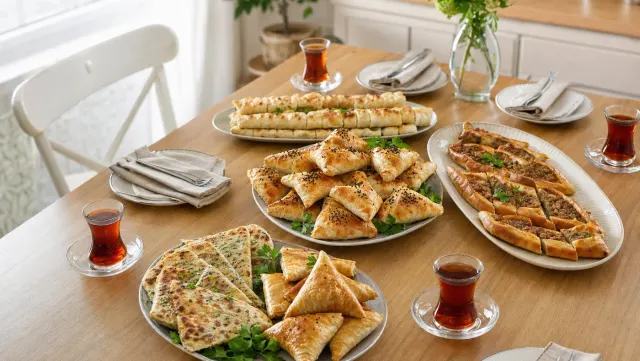
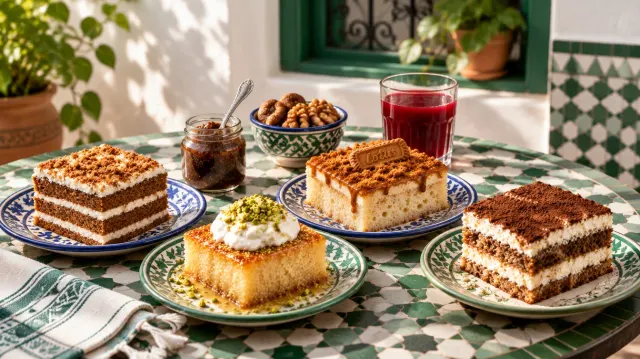
Gözleme or Msemen? Two Flatbreads, Two Different Traditions
If you've grown up eating msemen in Morocco, the first time you see Turkish gözleme you might wonder what makes it different.
We've had customers here in Tetouan look at our gözleme and say, “But that's just a filled msemen!”
And we can see why! Both are flatbreads, cooked until golden, and they're especially lovely when eaten fresh and warm. But although they look similar, the dough, the way they're prepared and the traditions behind them are quite different.
So, what exactly is the difference between Turkish gözleme and Moroccan msemen?
It All Starts with the Dough
Anyone who has watched msemen being made will know how much care goes into getting those lovely layers.
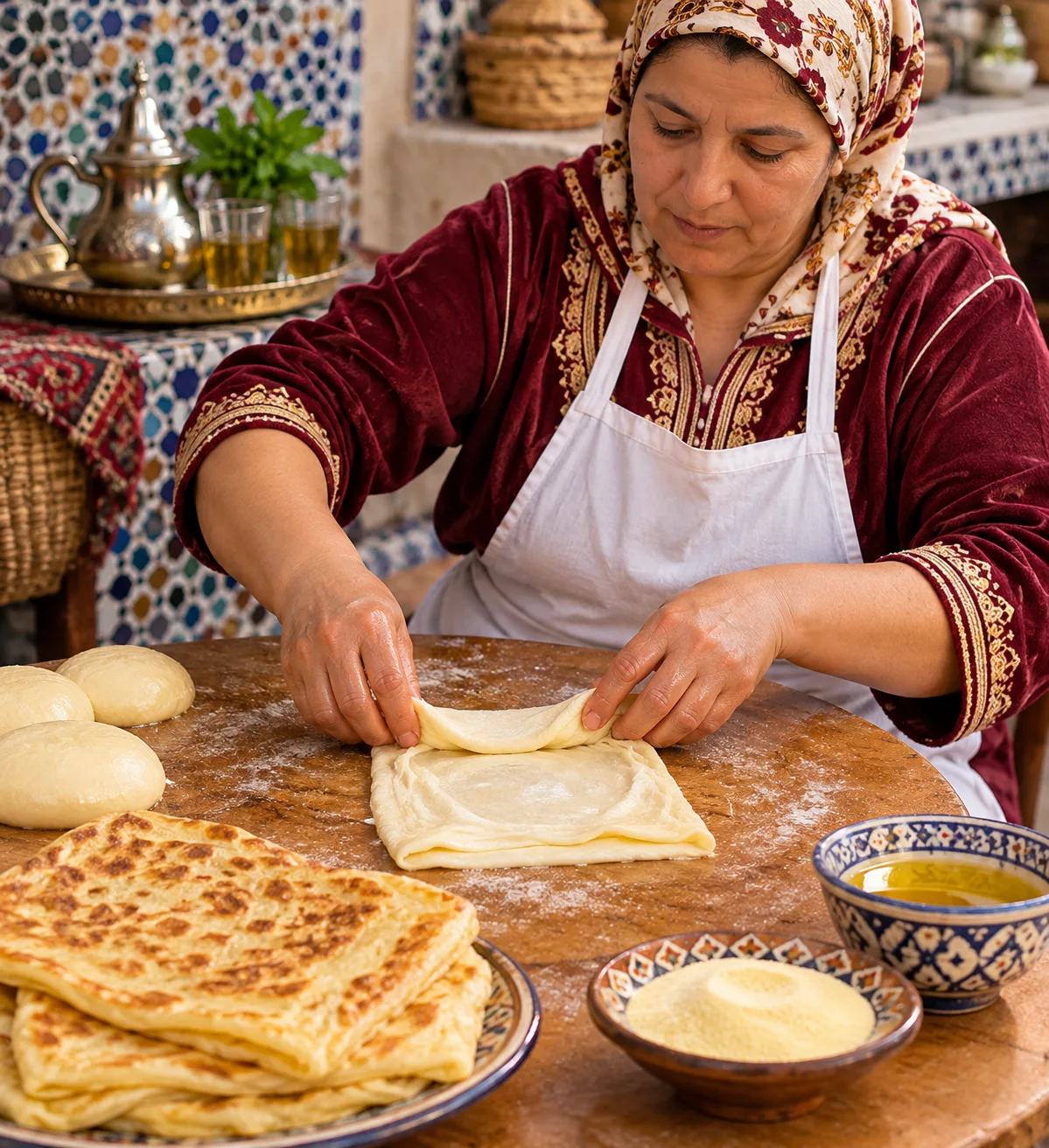
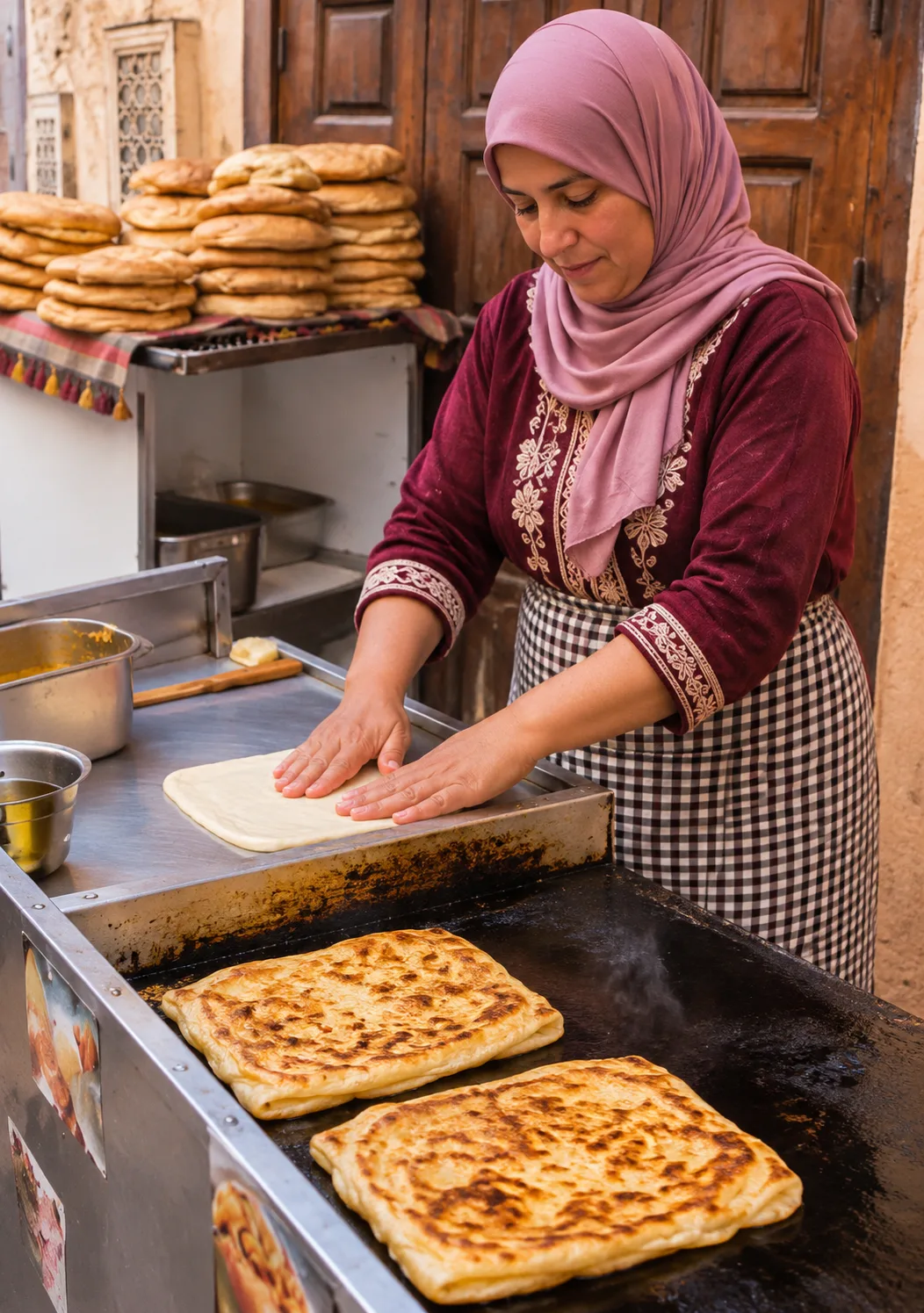
Traditional Moroccan msemen is made with flour, often some fine semolina, water and salt. The dough is stretched thin, brushed with oil or butter, then folded into squares. Those folds are what give msemen its wonderful layered texture.
Gözleme is prepared differently.
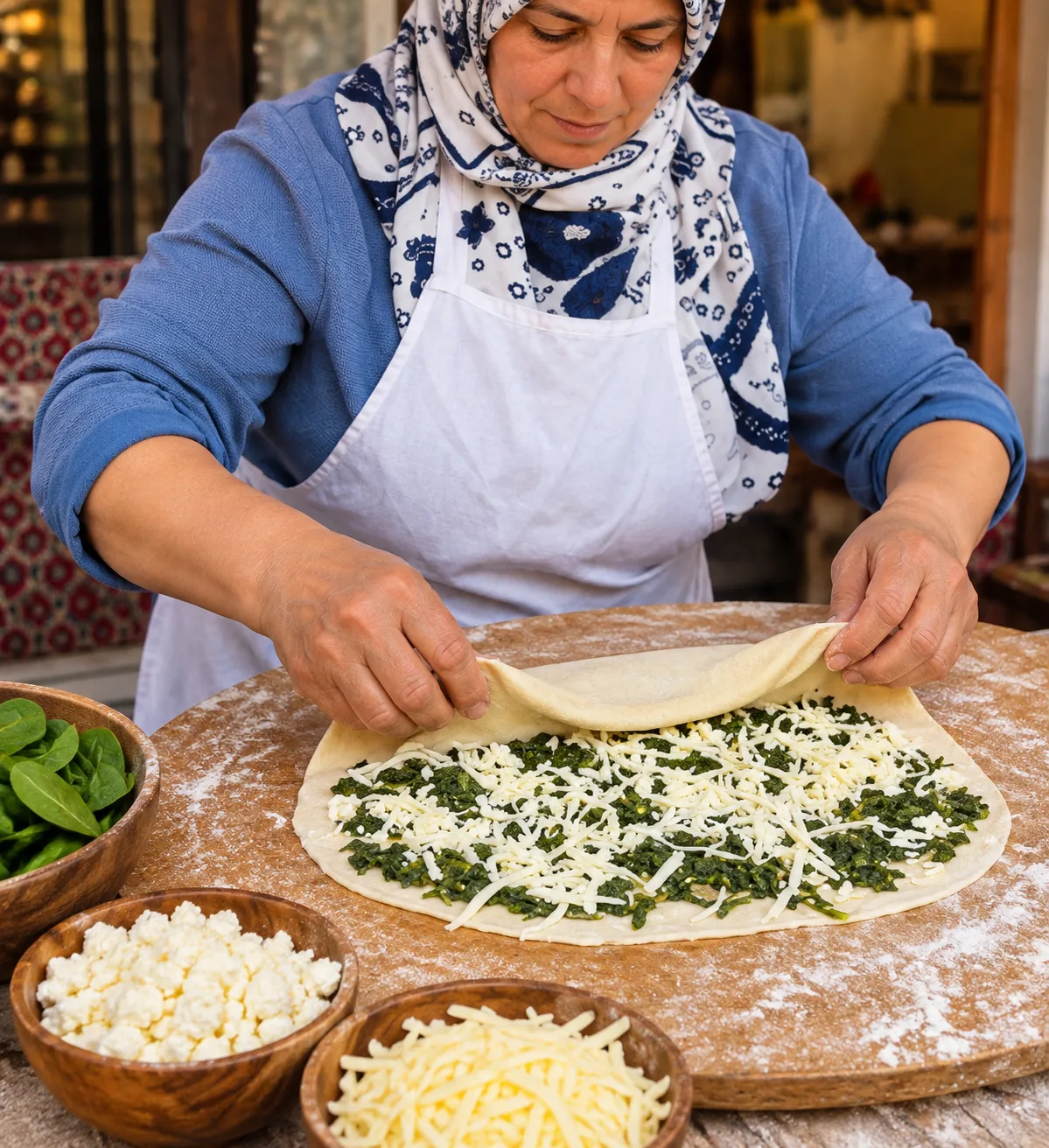
The Turkish flatbread is made from a simple dough, usually flour, water and salt, although some recipes also include yoghurt or other ingredients. Instead of folding it into layers, the dough is rolled out thin, ready for its filling.
The result is a softer, thinner flatbread that wraps around whatever is inside it.
Both are delicious, of course, but they have their own character.
What Goes Inside?
In Morocco, msemen is often enjoyed plain, especially at breakfast or teatime. A little honey, butter or jam, and a glass of Moroccan mint tea alongside it — sometimes that's all you need.
There are also plenty of savoury filled versions of msemen, so filling a flatbread is certainly not something unique to Turkish cooking.
With gözleme, however, the filling is usually part of the dish from the beginning.
In Turkey, you'll find gözleme prepared with all sorts of fillings, depending on the region and the family making it. Some of the favourites include potatoes, cheese, spinach and minced meat.
At Samarkand Bakery, we currently make three varieties:
-
Potato Gözleme — a simple, comforting potato filling.
-
Spinach & Cheese Gözleme — a lovely combination of greens and cheese.
-
Meat Gözleme — filled with minced meat for those who prefer something heartier.
The filling is enclosed in the thin dough before the gözleme goes onto the hot cooking surface.
The Cooking Makes a Difference Too
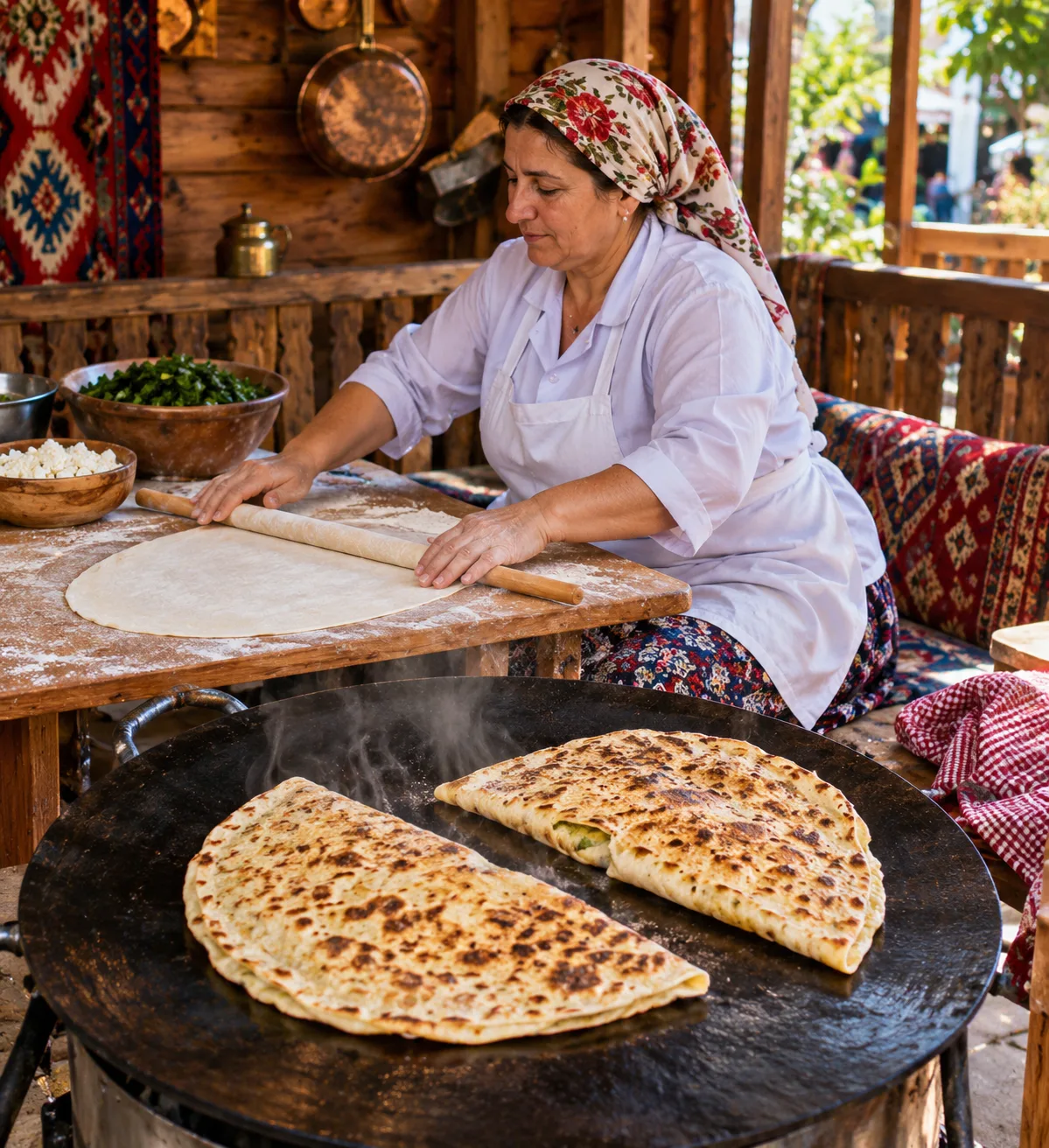
Traditionally, Turkish gözleme is cooked on a sac, a large, slightly curved metal griddle. You may have seen women in Turkish villages or markets sitting beside one, rolling out dough and cooking gözleme one after another.
It's a lovely part of Turkish food culture, and a reminder of how much traditional cooking still depends on simple ingredients and skilled hands.
Msemen is usually cooked on a flat pan or griddle, with a little oil to help the folded layers cook through and turn golden.
Gözleme can be cooked with very little fat, then lightly brushed with butter after cooking. You get those beautiful golden-brown spots on the outside, with a warm filling tucked inside.
And, just like msemen, it's at its best when freshly cooked.
Bringing a Taste of Turkey to Tetouan
One of the things we enjoy about running Samarkand Bakery is introducing people to foods they may not have tried before.
Our kitchen brings together Uzbek and Turkish food traditions, and gözleme is one of those simple dishes that we think fits so naturally here in Morocco.
After all, we already have such a wonderful flatbread culture. From msemen and meloui to batbout and harcha, there's no shortage of good bread in Moroccan homes.
Gözleme is another one to discover.
We prepare ours in our home kitchen in Tetouan, using ingredients sourced locally wherever possible. It's a straightforward dish, but getting the dough thin enough and cooking it properly makes all the difference.
If you're not sure which filling to try first, we also offer a Gözleme Taster Box, where you can sample all three varieties. We include a little Ezme salad with it, free of charge.
Ezme is a Turkish salad made with finely chopped vegetables and seasonings. Its fresh, tangy flavour goes particularly well with warm gözleme.
Which Would You Choose?
We wouldn't say gözleme is better than msemen, or the other way around. They're two different breads, each with its own place at the table.
For a Moroccan breakfast with honey and mint tea, msemen is hard to beat.
For a savoury lunch or something warm and filling during the day, gözleme is a lovely choice.
And if you're anything like us, there's always room for both!
Would you like to try our Turkish gözleme?
You can explore our menu and place your weekend pre-order at samarkandbakery.com.
We prepare our food in our home kitchen in Tetouan, with collection available on Saturdays and Sundays at Wilaya Centre.
And next time you see a gözleme, you'll know why it might remind you of msemen — even though it has a story of its own.