Trileçe: The Three-Milk Cake That Travelled the World
Some desserts are lovely to look at, some taste wonderful, and then there are those that make you close your eyes for a moment after the first bite. For me, Trileçe is definitely one of those.
If you've never tried it before, imagine a beautifully light sponge cake that has been soaked in a mixture of three different milks until it's wonderfully soft and moist, then finished with a generous layer of freshly whipped cream. It's rich, comforting and sweet, yet surprisingly light to eat.
And that's what I love about it. You can have a generous slice without feeling as though you're eating a heavy cake.
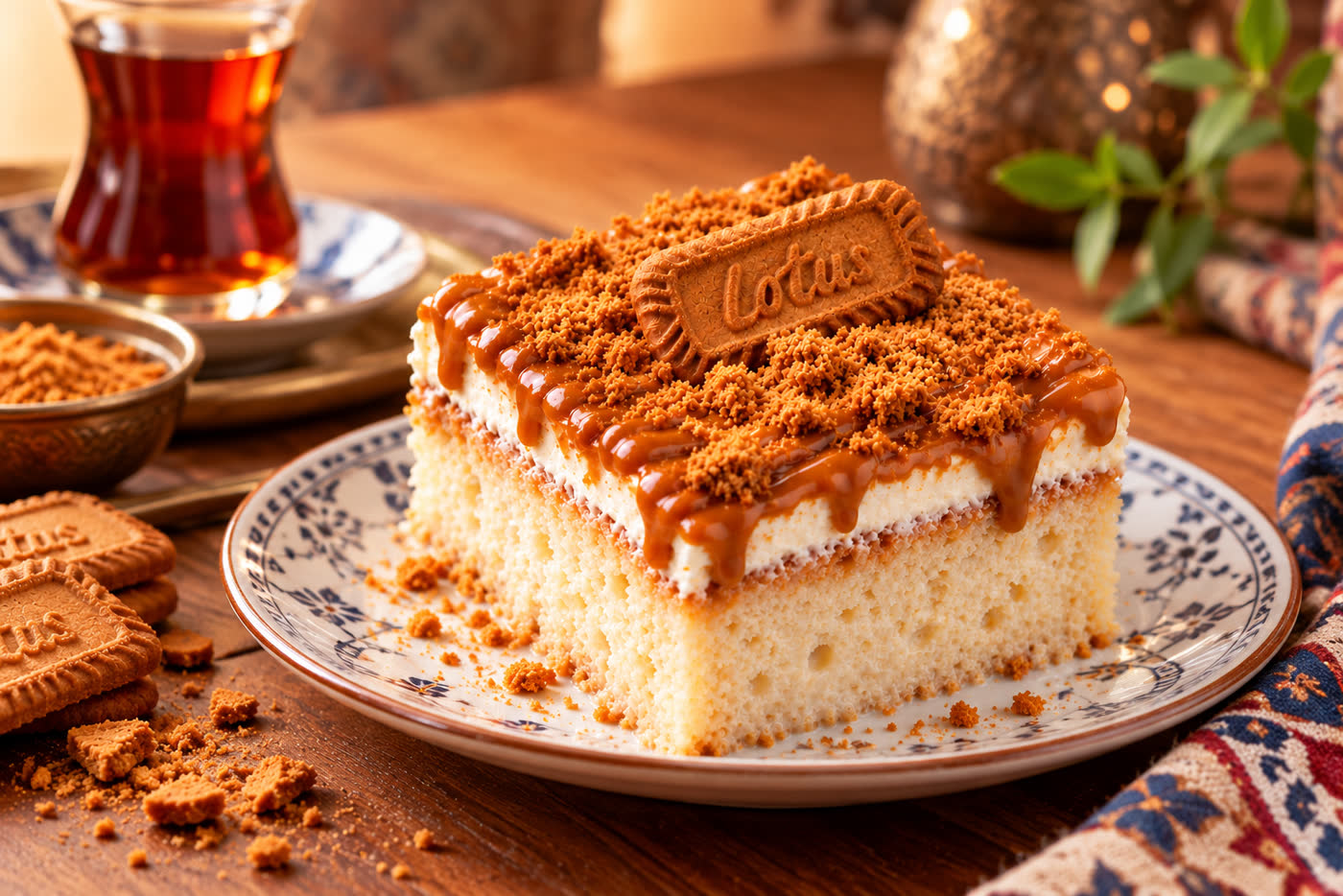
At Samarkand Bakery, we make ours with caramel and Lotus Biscoff biscuits, which add that lovely spiced, caramelised biscuit flavour. But the story of Trileçe goes much further than our little kitchen in Tetouan.
It's a dessert with quite a journey behind it, from Latin America to the Balkans and Turkey, with some delicious variations along the way.
Tres Leches: A Cake with Latin American Roots
The story begins with Tres Leches, which simply means 'three milks' in Spanish.
It's a much-loved dessert across Latin America, particularly in countries such as Mexico and Nicaragua, where you'll often find it served at birthdays, weddings and family celebrations.
As with many traditional foods, there's some disagreement over exactly where it originated. Different countries have their own claims, and I rather like that. Food has a wonderful way of crossing borders, being adopted by different communities and eventually becoming part of their own traditions.
One popular explanation for the cake's widespread popularity goes back to the twentieth century, when condensed and evaporated milk became more readily available. Recipes printed on milk tins are believed to have helped introduce the cake to many home kitchens.
And it's easy to see why it became so popular. The ingredients are fairly simple, the cake can be prepared ahead of time, and it's the sort of dessert that looks beautiful when brought to the table.
Why Three Different Milks?
You might wonder why we need three different milks when surely one would do the job.
Well, each one brings something different.
Sweetened condensed milk gives the cake its sweetness and that lovely rich, almost caramel-like flavour.
Evaporated milk adds a deeper, creamy milk flavour without making everything even sweeter.
Whole milk helps balance the mixture and allows it to soak right through the sponge.
But the real secret is the sponge itself.
It needs to be light and airy enough to absorb all that milk, yet strong enough to hold together when you cut a slice.
I always think a good Trileçe should be moist right through, not just on the surface. When you cut into it, you should see that the milk has reached every part of the sponge. You might even notice a little milk gathering at the bottom of your plate.
That's not a mistake. That's exactly how it's meant to be!
How Tres Leches Became Turkish Trileçe
Now this is where the story becomes particularly interesting.
You might assume that Tres Leches travelled directly from Latin America to Turkey, but the route is believed to have been a little more complicated.
The story most often told is that the cake first became popular in Albania and other parts of the Balkans before finding its way into Turkish pastry shops.
There's even a theory that Latin American television dramas, which were hugely popular in parts of the Balkans, helped introduce people to the dessert.
Whether that's the complete story is difficult to say, but I love the idea of a cake travelling halfway around the world through something as unexpected as television!
The name changed along the way too. In Albania and Turkey, it became known as Trileçe, pronounced 'tri-LEH-cheh'.
By the 2010s, Trileçe had become enormously popular in Turkey. You could find it in pastry shops, cafés and restaurants, and before long people were making their own versions at home.
And, of course, Turkish bakers added their own special touch.
The Turkish Touch: That Beautiful Caramel Topping
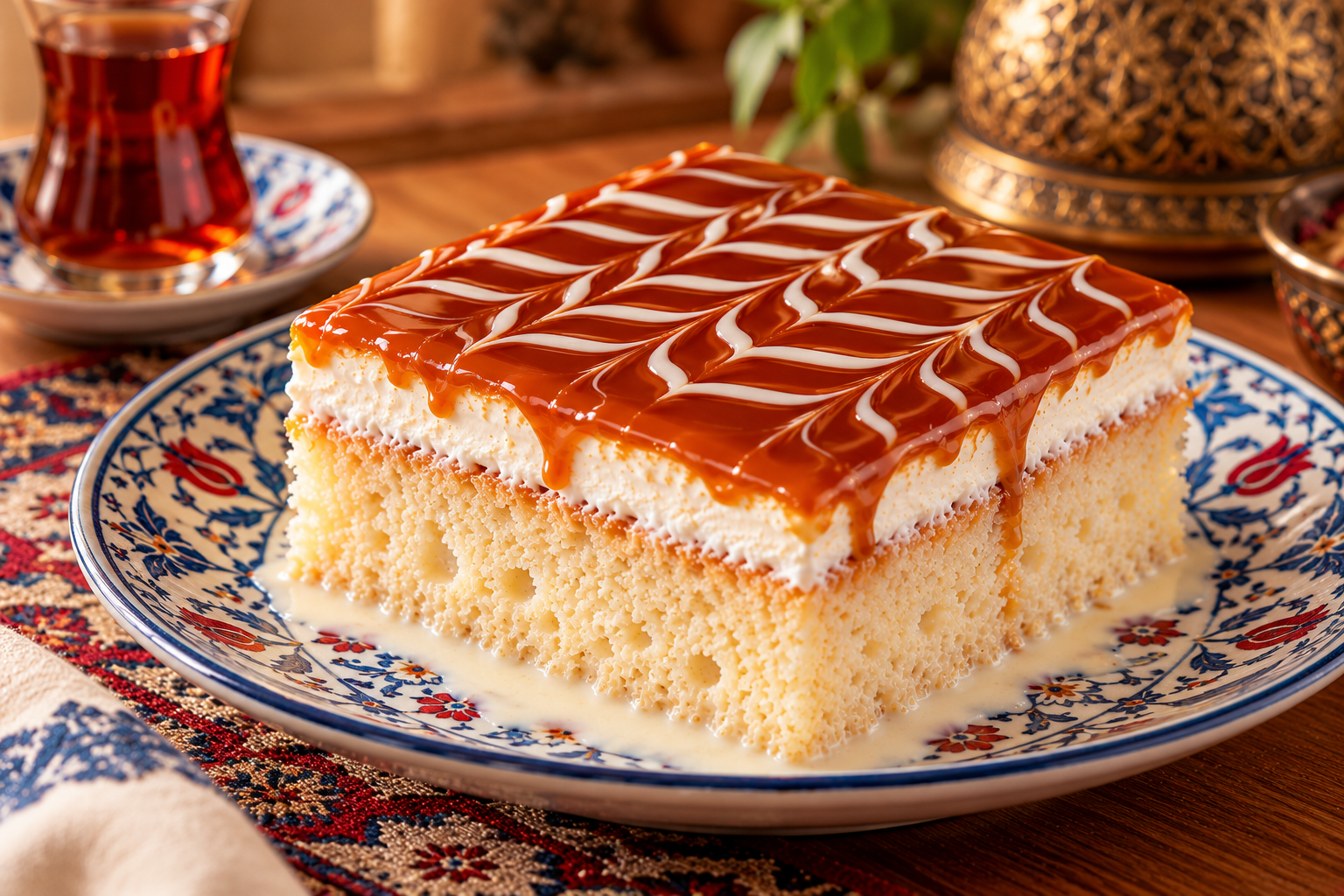
One of the things that makes Turkish Trileçe so recognisable is its caramel topping.
Instead of finishing the cake with whipped cream alone, Turkish bakers often spread a thin layer of caramel over the cream, giving it that lovely glossy golden-brown finish.
Personally, I think the caramel makes a wonderful difference.
The cake itself is very milky and sweet, so that slightly deeper, sometimes gently bitter caramel flavour balances everything beautifully.
It's also one of those desserts that looks quite simple until you take a bite. Then you realise how well all those different textures and flavours work together.
And once caramel became part of the Trileçe story, it wasn't long before people started experimenting with other flavours.
Different Versions of Trileçe and Milk Cake
This is one of my favourite things about baking. You can take a simple idea, introduce ingredients from another food culture, and create something that feels both familiar and completely new.
Trileçe is a perfect example.
Classic Latin American Tres Leches
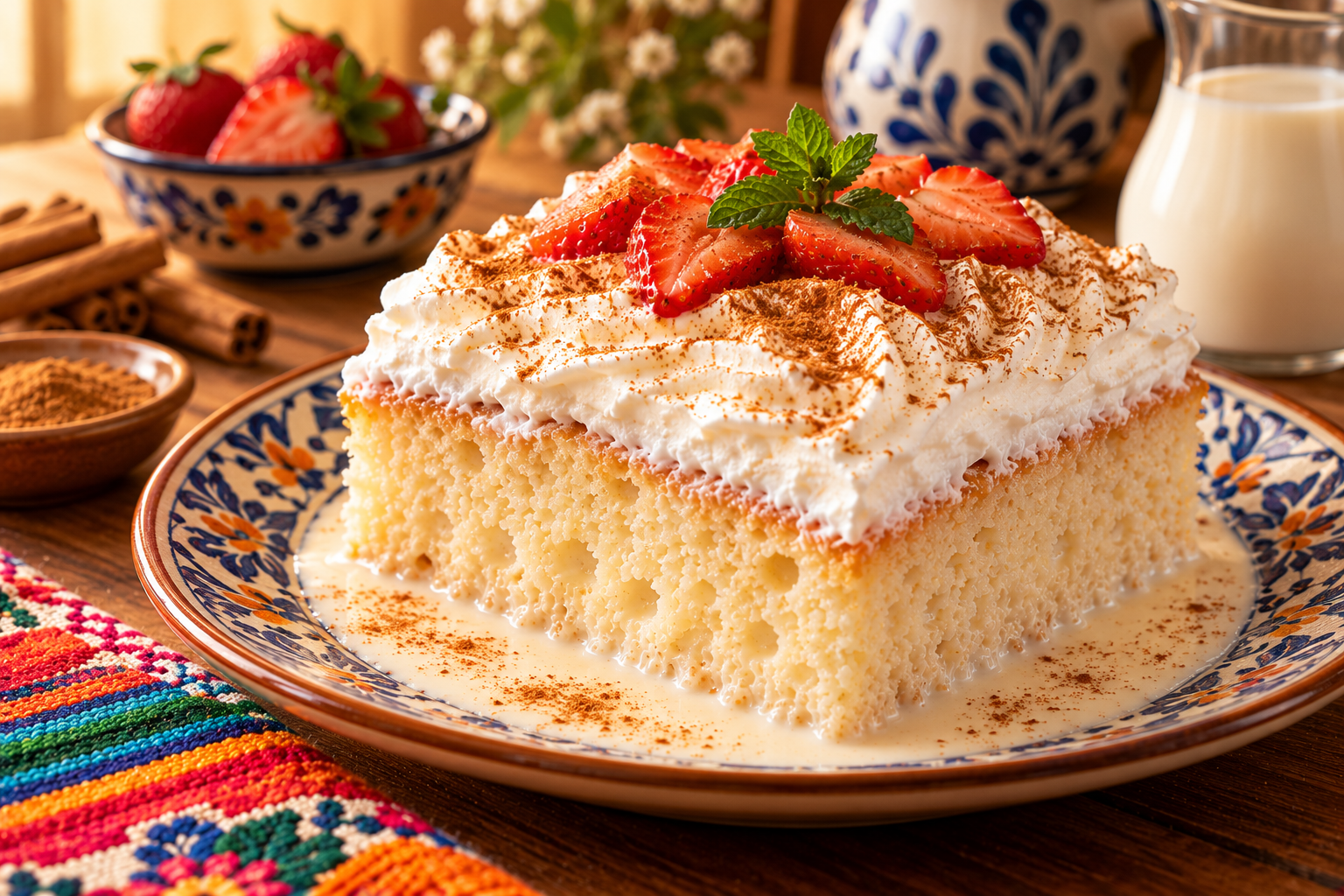
The original inspiration is usually finished with whipped cream or sometimes meringue.
It's all about the beautiful milk-soaked sponge, with a simple topping that allows the creamy flavour to shine.
Turkish Caramel Trileçe
This is the version many people now associate with Turkish cafés and pastry shops.
A light sponge, three-milk soak, whipped cream and that lovely layer of caramel on top.
Simple, but so good.
Lotus Biscoff Trileçe
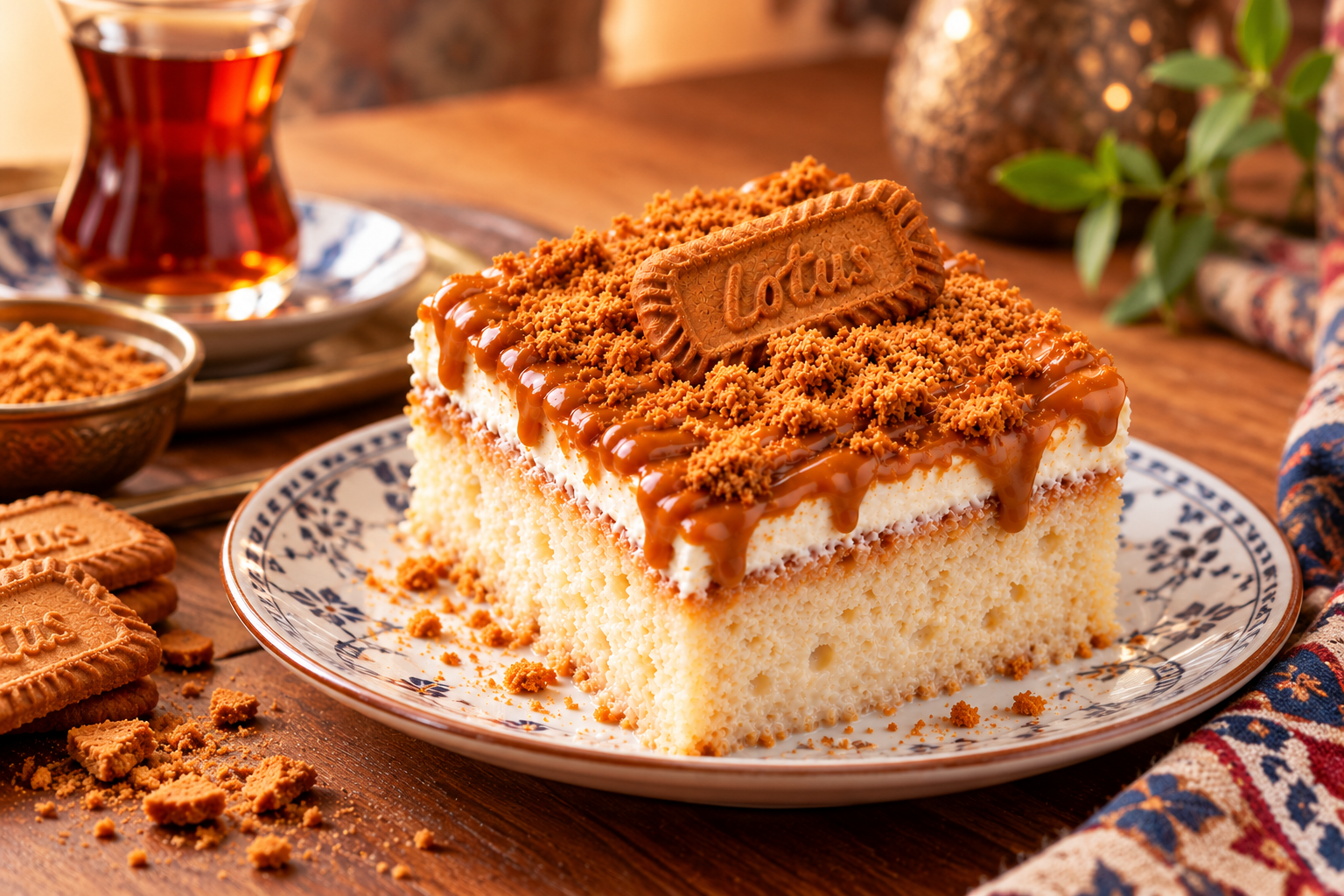
Now, this is where things get a little more indulgent!
Lotus Biscoff biscuits have that distinctive caramelised flavour with a gentle hint of spice. They're delicious with coffee, but they also work beautifully with milk-based desserts.
Crushed biscuits add a little texture to the soft cake and cream, while a whole biscuit on top makes each slice look that bit more tempting.
I particularly enjoy the contrast between the creamy sponge and the biscuit. It's one of the reasons we chose to make this version at Samarkand Bakery.
Pakistani Ras Malai Cake
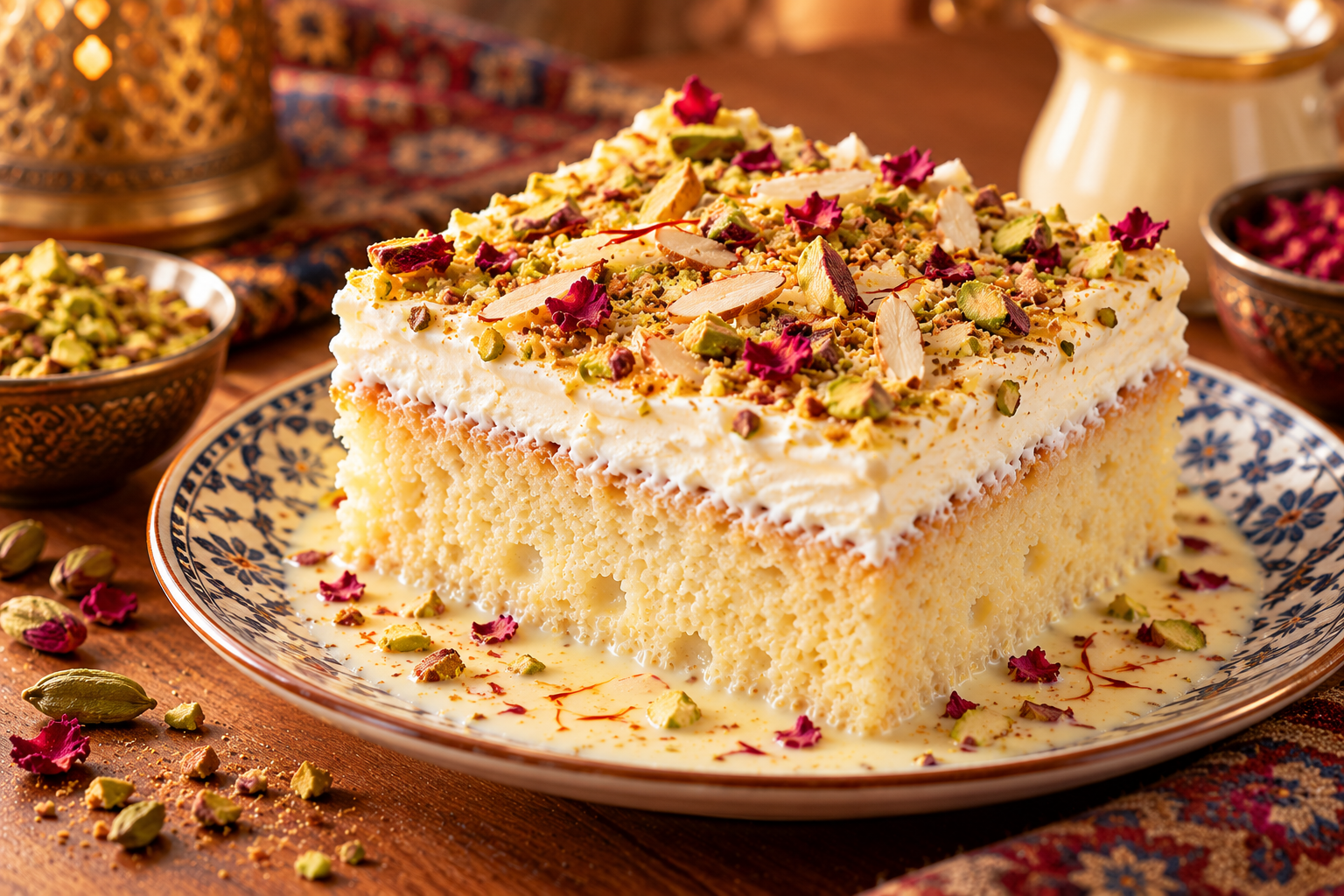
Another variation I really wanted to mention is Pakistani Ras Malai Cake, sometimes written as Rasmalai Cake.
If you're familiar with Pakistani or Indian sweets, you'll probably know Ras Malai, a traditional dessert made with soft, milk-soaked cheese dumplings served in sweetened, flavoured milk.
Ras Malai Cake takes inspiration from those beautiful flavours and brings them into a soft sponge cake.
Like Tres Leches, the sponge is soaked in milk, but the flavours are quite different.
You'll often find cardamom, saffron and pistachios, sometimes with almonds or other nuts. The result is wonderfully fragrant, creamy and delicately spiced.
I love the idea behind this cake because it shows how the same basic concept can take on a completely different personality depending on the ingredients and traditions behind it.
Turkish Trileçe leans towards caramel, while Pakistani Ras Malai Cake brings those lovely aromatic flavours we associate with South Asian desserts.
They're not exactly the same cake, but they certainly belong in the same conversation.
And if you enjoy milk-based desserts, I'd encourage you to try both!
Tres Leches, Turkish Trileçe, Lotus and Ras Malai Cake: What's the Difference?
| Version | Milk soak | Topping | Main flavour |
|---|---|---|---|
| Latin American Tres Leches | Three milks | Whipped cream or meringue | Sweet, creamy milk |
| Turkish Trileçe | Three milks | Whipped cream and caramel | Creamy caramel |
| Lotus Biscoff Trileçe | Three milks | Cream, caramel and Lotus biscuits | Caramelised biscuit and cream |
| Pakistani Ras Malai Cake | Sweetened, often cardamom- and saffron-flavoured milk | Cream, pistachios and sometimes almonds | Fragrant, nutty and creamy |
Each has its own character, and I think that's what makes exploring different food traditions so enjoyable.
Our Lotus Biscoff Trileçe at Samarkand Bakery
When we make our Biscoff Lotus Trileçe at Samarkand Bakery, the most important thing for us is getting the sponge right.
We separate the eggs and whisk the whites until they're beautifully light and fluffy. This gives the sponge enough air to absorb all that milk without becoming heavy.
Once baked, we soak it generously with a mixture of evaporated milk, sweetened condensed milk and whole milk.
Then comes the part I particularly enjoy: spreading freshly whipped real cream over the chilled sponge and finishing it with caramel and Lotus Biscoff.
The result is a soft, creamy cake with a lovely caramel flavour and just enough biscuit texture to make every mouthful interesting.
We also believe that if you're treating yourself to cake, you should get a proper slice! So ours are generously portioned.
Our Trileçe contains no alcohol. It does contain gluten, eggs and dairy, and the Lotus biscuits contain wheat and soya.
Recipe: How to Make Trileçe at Home
If you enjoy baking, I'd really encourage you to try making Trileçe yourself.
It isn't particularly complicated, although it does require a little patience. The most important thing is giving the cake enough time to soak up all that lovely milk.
In fact, I think it's one of those desserts that benefits from being made the day before.
This recipe makes approximately twelve slices in a 20 × 30 cm baking tin.
Making the Sponge
Ingredients:
-
5 eggs
-
150 g sugar
-
150 g plain flour
-
1 teaspoon baking powder
-
1 teaspoon vanilla
-
60 ml milk
Separate the egg whites from the yolks.
Whisk the egg whites until they begin to form peaks, gradually adding half the sugar. Continue whisking until they're glossy and firm.
In another bowl, whisk the yolks with the remaining sugar until pale and creamy, then add the milk and vanilla.
Gently fold in the sifted flour and baking powder, followed by the egg whites in three additions.
Take your time with this part. We want to keep as much air in the mixture as possible.
Pour into your prepared tin and bake at 180°C for around 25–30 minutes, or until a skewer comes out clean.
Preparing the Three-Milk Mixture
Ingredients:
-
1 tin sweetened condensed milk (approximately 390 g)
-
1 tin evaporated milk (approximately 400 ml)
-
250 ml whole milk
Mix all three milks together in a jug.
While the sponge is still warm, prick it all over with a skewer.
Slowly pour the milk mixture over the cake in several stages, allowing each addition to soak in before adding more.
Don't rush this part. We want the milk to reach the centre of the cake rather than simply sitting on top.
Cover and refrigerate for at least four hours, although overnight is even better.
Adding the Cream and Lotus Biscoff
Ingredients:
-
300 ml cold double or whipping cream
-
30 g icing sugar
-
10–12 Lotus Biscoff biscuits
Whip the cold cream with the icing sugar until it forms firm peaks.
Spread it gently over the chilled sponge.
Crush most of the Lotus biscuits and sprinkle them over the cream, keeping a few whole biscuits to decorate the slices.
If you'd prefer a traditional Turkish caramel topping, melt 100 g sugar until amber, carefully stir in 100 ml hot cream off the heat, allow it to cool completely, then spread a thin layer over the whipped cream.
Hot caramel can bubble vigorously when cream is added, so take care.
And there you have it — homemade Trileçe!
A Few Things I've Learnt About Making Trileçe
There are a few little things worth keeping in mind, especially if you're making it for the first time.
Don't lose the air in your sponge. A heavy sponge won't absorb the milk as nicely. Be gentle when folding in the egg whites.
Add the milk gradually. I know it's tempting to pour everything over at once, but doing it slowly helps the cake soak more evenly.
Give it time in the fridge. This is probably my biggest piece of advice. Trileçe really does benefit from resting overnight.
Don't add the Lotus biscuits too early. They gradually soften once they touch the cream. If you want that lovely little crunch, add them closer to serving time.
And finally, don't worry if you see a little milk at the bottom of the dish. A properly soaked Trileçe is meant to be very moist.
What Goes Well with Trileçe?
Because Trileçe is already sweet and creamy, I think it goes particularly well with a good cup of tea or coffee.
A strong black coffee is lovely because its bitterness balances the sweetness of the cake.
Unsweetened tea works beautifully too, especially if you're serving Trileçe as part of an afternoon tea spread.
And if you're putting together a dessert table, it's nice to have a little variety.
You could serve it alongside Turkish tiramisu, with its coffee-soaked sponge, or our Uzbek Honey Cake, which has a completely different texture and a deeper, caramel-like flavour.
I always enjoy offering guests a choice of desserts. It's interesting to see which one everyone reaches for first!
How to Store Trileçe
Because Trileçe contains so much milk and fresh cream, it needs to be kept refrigerated.
Store it covered in the fridge, ideally at 4°C or below, and enjoy it within two days for the best flavour and texture.
The longer it sits, the softer the biscuit topping becomes, and the cream gradually loses some of its freshness.
If you're collecting a slice from us, try to get it into the fridge as soon as you get home, particularly during the warmer months in Tetouan.
And keep the box flat during the journey! There's quite a lot of milk in that sponge, and we don't want it all running to one side.
I wouldn't recommend freezing Trileçe either. The texture of the cream and milk-soaked sponge can change once thawed.
Frequently Asked Questions
Are Trileçe and Tres Leches the same cake?
They're based on the same idea: a light sponge soaked in a mixture of three milks.
The main difference is usually the topping. Turkish Trileçe is particularly known for its caramel layer, while Latin American Tres Leches is commonly finished with whipped cream or meringue.
Does Trileçe contain alcohol?
Our Trileçe at Samarkand Bakery contains no alcohol.
Some Tres Leches recipes include a little rum, but it's certainly not necessary. The milk, cream and caramel provide plenty of flavour on their own.
Why is my Trileçe too soggy?
Trileçe is meant to be very moist, but it shouldn't turn into a heavy, collapsed sponge.
If that happens, the sponge may have been too dense, or the milk may not have been absorbed evenly.
Try whisking the egg whites properly and pouring the milk in stages.
Can I make Trileçe the day before?
Absolutely! In fact, I recommend it.
Make the sponge and add the milk soak the day before, then finish with the cream and Lotus biscuits closer to serving.
Is Pakistani Ras Malai Cake the same as Trileçe?
Not quite, although they share the idea of a milk-soaked sponge.
Ras Malai Cake is inspired by the traditional South Asian dessert Ras Malai and often features cardamom, saffron and pistachios.
Trileçe, particularly the Turkish version, is more closely associated with caramel.
How many calories are in a slice?
Our original estimate is around 420 calories per slice, although the exact amount depends on the portion size and toppings.
It's definitely a treat, and we like our slices generous!
Where to Find Our Lotus Biscoff Trileçe in Tetouan
If you've read all this and are now craving a slice of Trileçe, I completely understand!
At Samarkand Bakery, we prepare our Lotus Biscoff Trileçe fresh for our weekend orders.
You can order through our website and collect from us at Wilaya Centre in Tetouan on Saturday or Sunday, between 10:00 and 18:30.
Everything is made to order, so we always recommend placing your order in advance.
If you're planning a family gathering, inviting friends over or simply fancy treating yourself to something sweet, we'd be delighted to prepare some for you.
And if you have any questions or need something for a larger occasion, you're always welcome to message us on WhatsApp through the contact page on our website.
From Latin America to Turkey, and now to our little bakery in Tetouan — it's amazing how far a simple milk cake can travel.
And I think that's one of the loveliest things about food. Wherever it comes from, there's always something new to discover, share and enjoy.
With love from our kitchen,
Samarkand Bakery